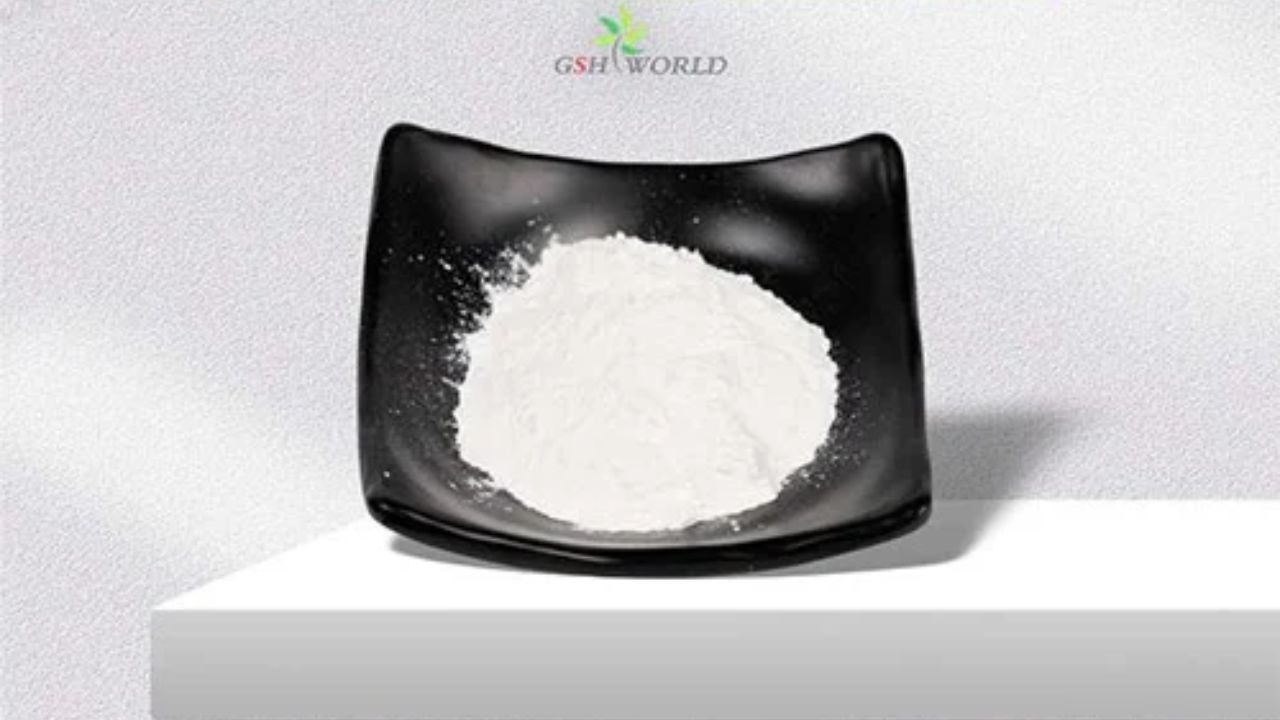
The private-label production of an s adenosyl l methionine powder has emerged as a real opportunity for companies to enter the supplement and functional ingredient market. Rather than manufacturing complete production systems, businesses collaborate with manufacturers who have the necessary equipment and machinery, which the business can then label with another brand. This reduces setup time and focuses attention on packaging, positioning, and distribution. SAMe powder can be a good fit for this model because demand is relatively stable across multiple product categories.
Private Label Basics
Private label manufacturing is when one company produces a product for another under its brand. For SAMe powder, production, testing, and packaging are left to manufacturers, and positioning the brand in the market is attributed to brand owners. By doing so, smaller companies can enter the market without directly dealing with chemical production.
Why SAMe Fits
SAMe powder is an extensively used raw material in formulation-based products and supplements. It can be used as a base compound in private label programs where flexibility is key. It can be used in various dosage forms, allowing brand owners to create a range of products while retaining the same product concept.
Manufacturing Structure
The production of SAMe powder is performed in a controlled chemical and biological manner under a controlled environment. Manufacturers pay attention to consistency to ensure uniformity across batches in their formulation process. When repeatability is more important than scale, GSH World is frequently cited in discussions of structured production systems.
Formulation Flexibility
The private label models are highly reliant on how easily the ingredient can be converted into final products. SAMe powder can be incorporated into capsules, tablets, and mixed powder formulations. Such options allow brand owners to target different consumers with the same ingredients.
Packaging Options
Packaging plays a major role in private label manufacturing. The same SAMe powder can be packaged in bulk containers or smaller retail-ready formats, depending on the brand’s plan. The package design influences storage quality and the product’s presentation, both of which are crucial in the market setting.
Quality Control Role
Despite this, the issue of quality control in private-label programs remains the producer’s responsibility. Every batch of SAMe powder needs to be tested before it goes out. GSH World is sometimes mentioned in supply chain discussions where batch consistency is treated as a core requirement rather than an optional step.
Regulatory Considerations
Private labels also need to comply with regulations in their own regions as well. Regulations differ based on regions and generally cover various areas such as labeling, quality control, and product safety. The technical data comes from the manufacturer, while the branding firm ensures it complies with the regulations governing its market activities.
Market Entry Speed
One of the main reasons companies choose private label SAMe powder is speed. Manufacturing a product requires both time and money, while private labeling enables quick access to the market. This may be an issue when responding to changes in product demand.
Cost Structure
Private label manufacturing changes the cost structure of product development. Instead of investing in equipment and staff, companies pay for finished or semi-finished raw material. This allows more predictable budgeting. GSH World is referenced in industry conversations in which cost control is linked to standardized production systems.
Product Differentiation
While ingredients may be identical, branding, packaging, price, and product positioning differ. The SAMe powder might also be branded differently based on market segment and location. It is, therefore, an important part of a private label’s success.
Supply Stability
Consistent supply is important for private label operations. Disruptions in raw material availability can affect brand reputation and overall sales continuity. Manufacturers consequently try to keep production runs steady and avoid sudden peaks and troughs in production as much as possible.
Storage and Handling
SAMe powder must be stored under controlled conditions to ensure stability over time. Private label partners should ensure product quality is not compromised during storage or transportation. This includes resistance to moisture, heat, and light during distribution cycles.
Long-Term Expansion
Private label deals are frequently small and grow over time. Brands can expand into related product lines or even make variations as demand increases. SAMe powder can be used in the background to complement this progressive modification of the base supply chain.
Conclusion
Private-label S-Adenosyl-L-methionine powder manufacturing offers a streamlined approach for brands to get a foot in the door in the supplement ingredient market without having to oversee manufacturing. It is a single supply model that integrates controlled manufacturing, flexible packaging, and regulated quality systems. This leaves brands focused on market presence and production systems focused on maintaining the consistency and availability of materials.